Written by Chris Thurgood, ANNA Money.
Your passion is childcare. But running a childminding business means being a business owner too.
Whether you’re an established childminder or just starting out, keeping on top of your finances is just as important as providing great care. From managing payments from parents and tracking expenses to understanding your tax obligations, having the right banking and bookkeeping practices in place can make a real difference to the success of your business. With changes to HMRC reporting requirements now underway, there has never been a better time to get your business finances organised.
1. Keep your business and personal finances separate
It can be tempting to use one bank account for everything but separating your business and personal finances makes it much easier to understand what your childminding business is earning and spending.
A dedicated business account helps you:
- Keep track of payments received from parents.
- Monitor regular outgoings and childcare-related expenses.
- Understand your available cash and plan for upcoming costs.
- Make preparing your tax return considerably easier.
2. Make sure you’re claiming the expenses you’re entitled to
Childminders have a number of legitimate business expenses that may qualify for tax relief.
These can include:
- Food, snacks, and drinks provided to children.
- Toys, books, educational resources, and craft materials.
- Trips, outings, and associated travel costs.
- Public liability insurance and professional subscriptions.
- Cleaning, utilities, and an appropriate proportion of household costs.
- Equipment, furniture and other items used wholly in your business, or a reasonable proportion when these items are shared with the household.
Keeping accurate records of your expenditure helps ensure you don’t miss out on legitimate tax deductions.
HMRC updated its specific guidance for childminders in March 2026, including changes to how expenses should be calculated by those using Making Tax Digital.
ANNA Money have produced a handy guide, The Childminder’s Guide to Expenses and Tax, to help you understand what you are entitled to, keep the right records, and feel ready for Making Tax Digital.
3. Making Tax Digital – are you ready?
Making Tax Digital for Income Tax is being introduced in stages and will affect an increasing number of self-employed childminders.
The changes mean that eligible childminders will need to:
- Keep digital records of their business income and expenses.
- Use HMRC-compatible software.
- Submit quarterly updates of income and expenditure to HMRC.
- Complete their annual tax return through compatible software.
The rollout is based on gross qualifying income (before expenses), rather than profit:
- April 2026: Income over £50,000 – now in effect.
- April 2027: Income over £30,000.
- April 2028: Income over £20,000.
Even if you are not yet required to comply, establishing good digital bookkeeping habits now will make the transition considerably easier.
Importantly, failing to maintain accurate records can make it harder to calculate your tax correctly, substantiate expenses, and meet HMRC reporting obligations.
4. Stay on top of payments and cash flow
Childminding income can fluctuate throughout the year as children start or leave, families change their arrangements, and holidays affect attendance.
Having a clear picture of your finances helps you:
- Track invoices and payments from parents.
- Identify late or outstanding payments.
- Budget for quieter periods and unexpected costs.
- Put money aside for Income Tax and National Insurance.
- Plan for future investments in your setting.
A little financial organisation each month can help avoid unnecessary pressure when your tax bill arrives.
5. Treat your childminding business like a business
Being a professional childminder involves much more than providing childcare. It means managing contracts, payment arrangements, insurance, expenses, records, and regulatory responsibilities.
Keeping organised financial and business records supports good business practice and makes it easier to demonstrate that your setting is being managed professionally.
ANNA Money – helping childminders take control of their business finances
At ANNA Money, we understand that you would rather spend your time looking after children than dealing with paperwork.
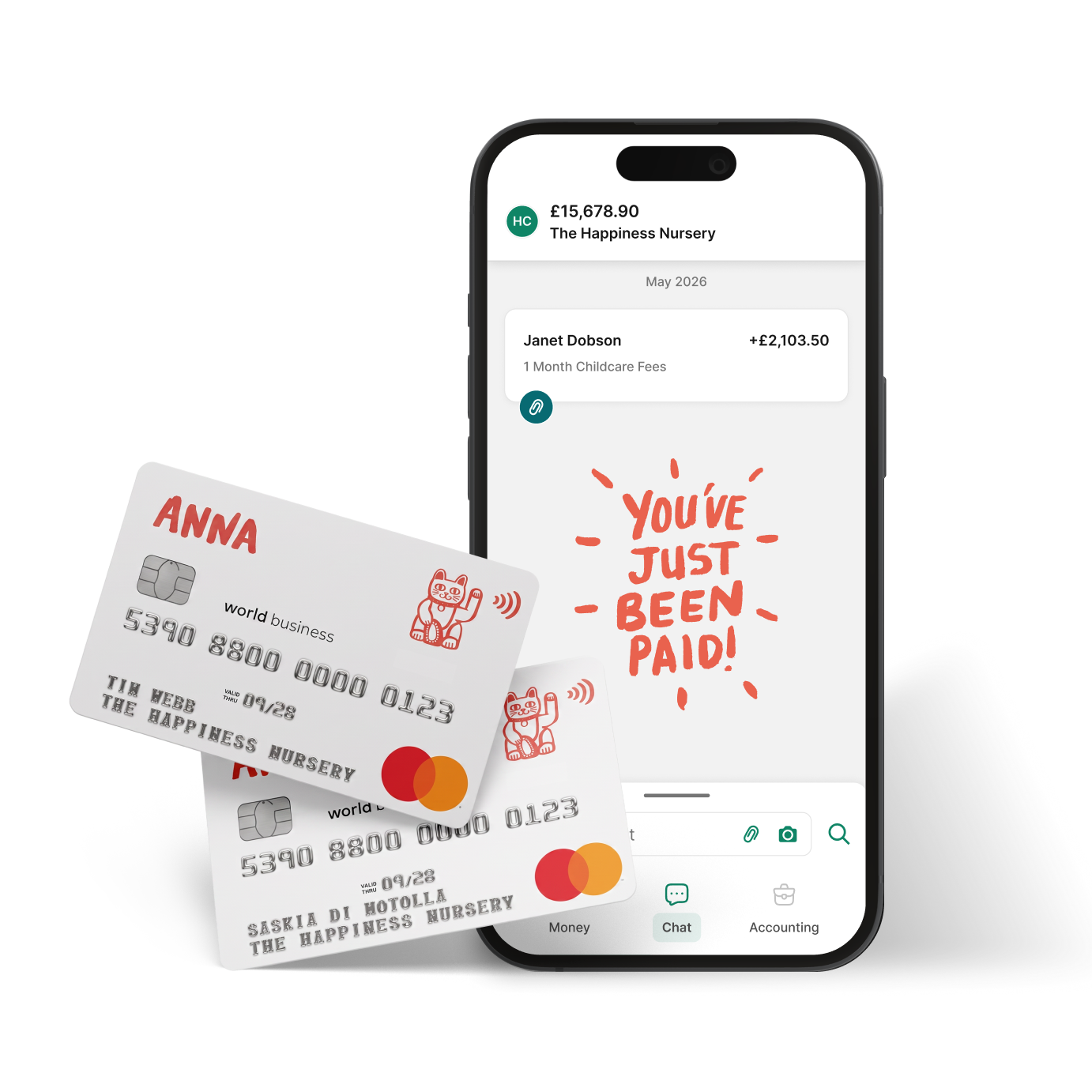
Our business banking, bookkeeping, and tax tools are designed to make managing your business simpler.
With ANNA, you can:
- Manage your business finances in one place.
- Keep track of income and expenditure.
- Organise business transactions and expenses.
- Get help with tax calculations and VAT where relevant.
- Spend less time on administration and more time doing what you do best.
Get your finances in order today
Whether you’re looking to improve your bookkeeping, prepare for Making Tax Digital or simply gain better control over your business finances, ANNA can help you take the next step.
We have teamed up Coram PACEY to help you navigate these changes easily and seamlessly. All Coram PACEY members qualify for an exclusive offer – meaning you will receive 3 months free ANNA business account on the Business and Big Business plans, as well as 12 months free MTD Self Assessment. Find out more about ANNA Money and how we can support your childminding business, by visiting ANNA’s website or browsing your members offer area in MyPACEY.