New research from Coram PACEY highlights the immediate impact of Making Tax Digital (MTD) for Income Tax on childminders, with the first cohort to come under the new rules reporting increased administrative workloads, financial pressures and concerns about the future sustainability of their businesses.
Childminders with qualifying income of more than £50,000 have been required to use MTD software since 6 April 2026. Those with qualifying income of more than £30,000 will come under the rules from 6 April 2027, followed by those with qualifying income of more than £20,000 from 6 April 2028.
Coram PACEY is urging HM Revenue and Customs (HMRC) to act now to address the impact of the reforms, before thousands more childminders are brought into MTD next April.
Removal of the wear and tear allowance
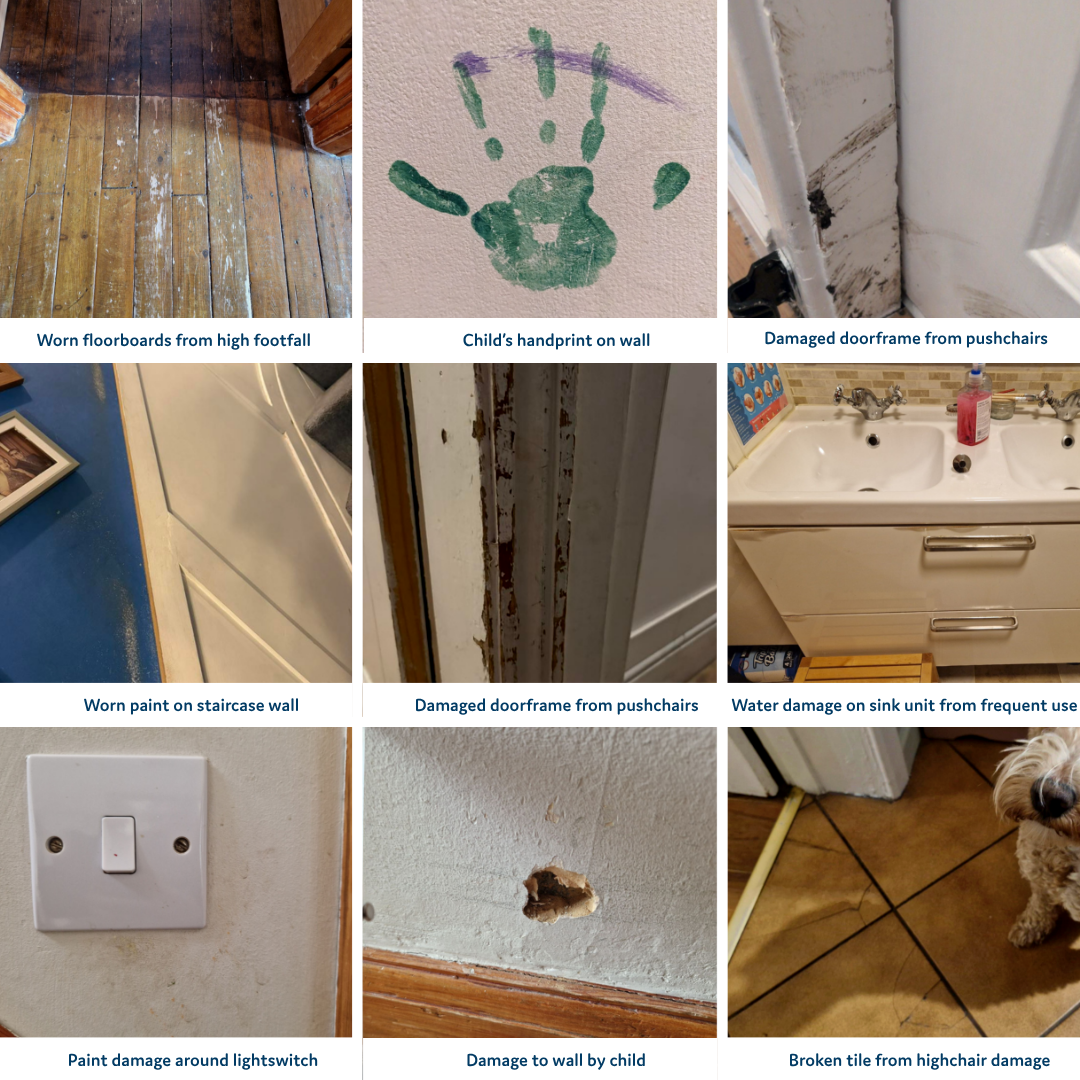
One of the major concerns for childminders under the new system is the loss of the historic wear and tear allowance. Under MTD, childminders are no longer eligible for the annual allowance that, under a childminder-specific agreement with HMRC dating back to 1986, allowed them to deduct 10% of their childminding income to reflect the unavoidable wear and tear associated with running a childcare business from their own home.
The allowance recognised the unique nature of childminding, where children are cared for and educated in the childminder’s home and use household furniture, equipment and other items on a daily basis. Under MTD, childminders must instead rely on tax relief for actual purchases, repairs and replacements, placing a greater administrative burden on them and, for many, leaving them financially worse off.
“I care for a child with additional needs who has bitten all along the back of my sofa and chairs as a stimming activity. I cannot afford to replace the furniture and have no other way to be compensated for the damage now the wear and tear allowance has been taken from me.” Childminder survey respondent
The survey shows the impact this is having:
- Around 75% say the removal of the wear and tear allowance has left them financially worse off.
- Only 24% are confident they have sufficient cash flow to cover the cost of repairing or replacing items damaged through wear and tear.
- 25% say they are planning to leave the childminding profession as a direct result of the removal of the allowance.
Childminders are already changing, or planning to change, their businesses as a result of losing their annual wear and tear allowance:
| Business change | Already made this change | Planning to make this change |
| Taking on fewer children | 27% | 29% |
| Increasing parent-paid fees | 26% | 26% |
| Seeking support from external accountancy services | 19% | 20% |
| Leaving the childminding profession | 11% | 25% |
More broadly, around a third of respondents say they are unlikely to remain in the profession over the next two years. Of these, around 75% say MTD is either a significant factor or the main reason behind their decision.
“This has been horrific. So much more work for less support. I am probably going to have to make my assistant redundant as I will be £8000 worse off than without MTD. It just shows how poor the government’s understanding of our sector is.” Childminder survey respondent
MTD for childminders: A growing administrative burden
The survey also highlights the increased administrative burden on childminders under the new system. The majority are managing these additional requirements themselves, alongside the day-to-day demands running their childcare businesses:
- Two thirds of childminders do not use an external accountant, instead managing their tax and MTD requirements themselves.
- 81% say the time spent recording and reporting income and expenses under MTD has increased compared with their previous method.
- 50% say using MTD has been harder than expected.
- 61% did not feel prepared for the transition to MTD.
- Only 12% rated the information and guidance provided by HMRC as good or very good, while half rated it poor or very poor.
- While 36% are using free software, 64% are paying for MTD software, with significant variation in the costs reported.
Ka Lai Brightley-Hodges, Head of Coram PACEY comments:
“We warned earlier this year about the potential impact of Making Tax Digital on childminders. Those concerns were based on the experiences and expectations of almost 5,000 childminders. We are now seeing those concerns play out in reality, as the first cohort of childminders have completed their first quarterly return under MTD.
“These findings should be a wake-up call for the Government. Childminders are telling us that MTD is taking more time, costing them more money and, for some, making them question whether they can continue running their businesses.
The pressures we are seeing now are likely to become even more significant when thousands more childminders enter the system next April. We have repeatedly asked what HMRC need to see in its “review” of MTD before action is taken. They now have clear evidence from childminders themselves that the reforms are causing real harm to the sustainability of their businesses and, ultimately, the availability of childcare for the families they support.
“We are now urging HMRC to reinstate the wear and tear allowance for childminders. This is not about asking for special treatment, it is about recognising the reality of running a childcare business from your own home, where everyday household items are inevitably subject to additional wear and tear.
“Childminders should be able to focus on providing high-quality childcare and education, not be pushed out of the profession by a tax and reporting system that does not reflect the way their businesses operate. With thousands more childminders due to come into MTD next April, there is still time to act. The Government must listen to the evidence and make changes now, before the impact on childminders, families and local communities becomes even greater.”
A childminder under MTD in England comments:
“My home isn’t just where I live, it is my workplace. Every day children use my furniture, carpets, flooring, kitchen, bathroom, garden and playroom, and naturally this causes much more wear and tear than in a normal family home. The removal of the wear and tear allowance feels like a failure to recognise the reality of running a childminding business.”
“Making Tax Digital has also been confusing and overwhelming. I became a childminder to care for children, not to spend more and more time dealing with digital accounting and additional administration. It feels like another burden placed on small self-employed businesses that are already struggling with rising costs.”
“Childminders provide an essential service to families, yet it often feels like our unique way of working is overlooked. Because my business operates from my home, decisions like these have a direct impact on both my livelihood and my family life. Instead of making it easier for childminders to stay in the profession, these changes make me question whether the increasing financial and administrative pressures are sustainable.”
Coram PACEY invited HMRC to respond to the findings.
A HMRC spokesperson said:“All sole traders, including childminders, with qualifying income over £50,000 are required to use Making Tax Digital (MTD) from April 2026. Childminders can still deduct business expenses for household items under MTD – the change is in how they calculate and record them. Claiming actual costs is standard for all businesses and ensures tax relief is based on what childminders using MTD actually spend, rather than a fixed estimate. HMRC has published guidance on claiming expenses and keeping records for childminders to ensure they can all continue to claim household expenses, including wear and tear costs deductions, whether they use MTD or not.”
Photographic evidence of wear and tear in UK childminder homes
NOTES TO EDITOR
- England: Further enquiries please contact Ka Lai Brightley-Hodges kalai.brightley-hodges@pacey.org.uk 07720 873 824
- Wales: Further enquiries please contact Claire Protheroe Claire.Protheroe@corampacey.org.uk
* Coram PACEY’s survey was conducted between 13 July and 23 August 2026 and received 125 responses from childminders using Making Tax Digital across the UK. Of the respondents, 112 were based in England, six in Northern Ireland, four in Scotland and three in Wales. The higher proportion of respondents from England reflects the fact that a larger proportion of childminders in England currently fall within the income threshold for Making Tax Digital. Coram PACEY can provide the full survey results on request.
With thanks to Coram PACEY Cymru, Childminding UK, the Early Years Alliance, the Northern Ireland Childminding Association (NICMA) and the Scottish Childminding Association (SCMA), for supporting the survey.
Find more information about Coram PACEY’s campaign for improved support for childminders under MTD here.
ABOUT CORAM PACEY
Coram PACEY (previously the Professional Association for Childcare and Early Years) was formed in 1977, we are a professional association dedicated to supporting home-based childcare professionals including childminders and nannies to provide high quality services, information and advice to children, their families and carers. We want all children to experience high quality childcare and early education, helping them to have a bright future.
- For more information, please visit: Website: www.corampacey.org.uk
- Facebook and Instagram: @CoramPACEY
- LinkedIn: corampacey
Coram PACEY is part of The Coram Group. Charity No. 312278. Registered office: 41 Brunswick Square, London WC1N 1AZ Tel 0300 003 000
ABOUT CORAM
Coram is the first and longest serving children’s charity in the UK. Established as the Foundling Hospital in 1739, today we are a vibrant charity group of specialist organisations – the Coram Group – supporting hundreds of thousands of children, young people and families every year.
We do this by championing children’s rights and wellbeing and making their lives better every day through our range of services. These include reading support and life skills education in schools for 300,000 children, adoption services for children waiting to find a home, mental health support, cultural programmes, and legal advice and advocacy for thousands of children and families every year.