By Angela Gamble, Education and Training Manager – Coram PACEY
When we talk about homebased childcare, nannies are often overlooked — yet they occupy one of the most intimate, complex, and impactful roles in early childhood care. Latoya, a highly experienced nanny with a background in nurseries and hospital settings, offers a powerful insight into what it truly means to work so closely with families.
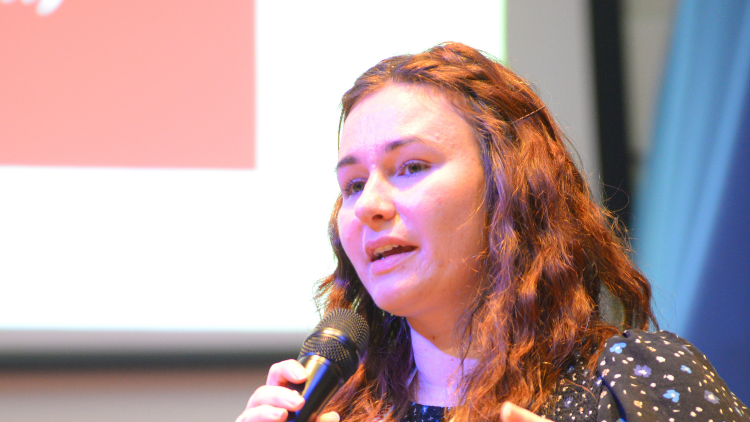
I had the pleasure of talking to Latoya about her provision, practice and passion and she shared a glimpse into her work on the panel discussion at our conference. Here is more of what I learned about Latoya.

A journey from nurseries to nannying
Latoya first entered the early years sector through nursery work, where she encountered Coram PACEY for the first time and developed a strong foundation in child development. Nannying became an option almost by accident when a parent asked if she could provide care during half term. While studying and working on a demanding hospital placement, she found parttime nannying a natural fit — and soon transitioned fully into the profession.
Her nursery experience shaped her practice, giving her a professional structure that she adapted to homebased, one-to-one care.
The dynamics of working in the family home
Nannying places Latoya directly inside a family’s private environment. This creates unique dynamics that differ greatly from nurseries or childminding settings. She must balance:
- respecting the family’s home
- establishing her workspace
- maintaining professional boundaries
- and gently guiding parents toward clear employer responsibilities
Many families don’t initially recognise their legal obligations as employers. Latoya approaches this with patience and clarity, prioritising safety — both for her and the children.
Parents seeking expertise
A major part of Latoya’s work involves supporting first-time parents who turn to her for reassurance and guidance. With qualifications and experience behind her, she often finds parents seeking her views on routines, behaviour, and development. She works best with families whose values align with her own and has learned to recognise when a parenting style may clash with her professional approach.
Supporting children with SEND
Latoya’s close, consistent relationship with children allows her to identify developmental concerns early. She has guided families through both denial and anxiety, offering evidence-based observations and helping them access further support. Her sensitivity and breadth of experience make her particularly effective in this area.
Social media: inspiration and misinformation
Latoya saw a surge in online nanny communities during COVID — beneficial for connection, but also responsible for a growing divide between:
- professional nannies
- and influencers who present a polished, unrealistic version of the job
She notes that many parents absorb parenting ideas through social media, often without understanding their deeper origins. This can lead to mismatched expectations or misconceptions about approaches such as Montessori or gentle parenting.
Funding barriers and parental choice
Families cannot use government childcare funding with nannies, which can push parents toward nurseries or childminders even when homebased care would suit them better. Some parents are unaware of this limitation until late in the process. Latoya also notes that funding rates fall far below nanny hourly wages, meaning nannies couldn’t participate without significant financial loss.
Why nannying matters
For Latoya, the magic of nannying lies in its personalisation. She can tailor development, learning and emotional support around each child’s needs. She has helped shy children gain confidence before entering nursery, supported children through transitions, and nurtured relationships that span years.
Her story highlights the deep expertise and commitment nannies bring to the sector — and the need for greater recognition of their professional role.