
By Angela Gamble, Education and Training Manager- Coram PACEY
In every community, there are people whose work quietly shapes the daily lives of families. For many in her corner of Sidcup, that person is Carol. For more than a decade, she has built a thriving wraparound childcare service anchored in the values of personalised care, community connection, and unfailing commitment to children and families.
Her journey hasn’t been straightforward. It has required continuous evolution, adaptability, and more logistical dexterity than most people could imagine. But at the heart of it all is something simple: Carol loves helping families—and families trust her.
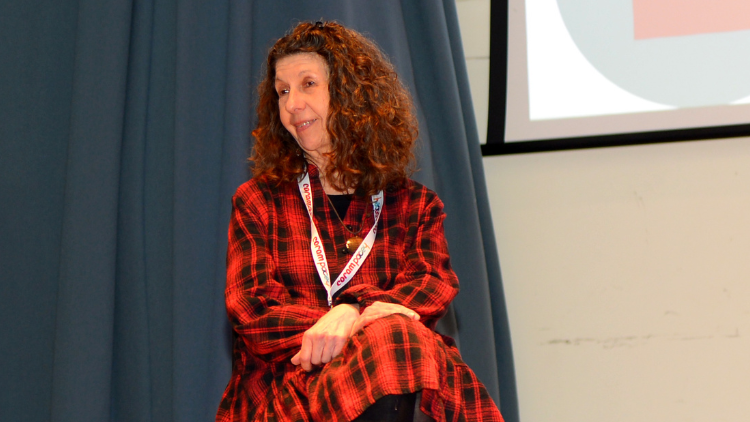
I had the pleasure of talking to Carol about her provision, practice and passion and she shared a glimpse into her work on the panel discussion at our conference. Here is more of what I learned about Carol.
A home‑based beginning, a community‑centred future
Carol’s childcare journey began just like many childminders: in her home, with a buggy, a handful of small children, and a reputation built one school‑gate conversation at a time. But over the years, her model evolved into something much bigger and more specialised.
Today, Carol is known locally as the wraparound provider. She no longer works with babies and barely touches early years hours. Instead, the core of her offer is before‑school, after‑school, and holiday care for children who come from multiple schools and a wide range of ages. And that approach works—her phone still buzzes with messages from parents hoping she has a space.
What makes her stand out is not simply the scale, but the adaptability, reliability and flexibility. Her service operates from both her home and a nearby Methodist church hall, a dual‑premises setup that gives her space to support larger groups of children safely and creatively. She can see the hall from her front window— “it’s just across the road”—making the daily flow between the two seamless.
Making space work: the logistics of care on the move
Running a wraparound service from additional premises isn’t easy. Carol’s team has become expert in daily transportation, set‑ups, and turnarounds, with a level of organisation that could rival a touring theatre company.
- Toys and resources are rotated between home, hall and storage cabin.
- Shopping trolleys are loaded with equipment and wheeled across the road every afternoon.
- Meals—following early years nutritional guidelines—are prepped at home, cooked or served at the hall, then all dishes are taken home again to be washed.
- Fifteen minutes after children arrive, the hall is already buzzing with play, crafts, activities and chatter.
And two hours later, everything is packed down again.
It’s intense, fast, physical work—but it allows Carol to provide something many families desperately need: flexible care with heart.
School holidays are popular with parents and Carol provides holiday play scheme spaces for children some of whom only attend in the holidays. There is always exciting, varied trips out and Carol is known for her investigations and forward planning to find unique experiences for the children.
Why families choose Carol?
Despite facing competition from low‑cost school‑based wraparound, Carol’s model remains in demand. Families choose her for reasons that can’t be captured in a brochure:
Longer, more flexible hours
Commuters rely on her early opening and late collection times—something local schools can’t offer.
Home‑grown, freshly prepared meals
Children sit together for a hearty dinner and dessert before heading home; parents often comment how relieved they are that “the evening routine starts itself.”
Continuity of care
Some children join her at 1 year old and remain until secondary school.
That sense of stability matters.
Community presence
Carol and her staff are recognisable figures walking through Sidcup with groups of children.
People remember her. Children wave. Parents recommend her without hesitation.
Supporting children with SEND: tailoring care with sensitivity
One of the most powerful aspects of Carol’s work is the support she provides to children with SEND. She currently cares for several children with additional needs, from ADHD to those with Education, Health and Care Plans.
Carol adapts in ways large and small:
- Quiet spaces away from the bustle of the main hall
- Carefully structured pick‑ups to reduce overwhelm
- Gradual, supported induction programmes for children needing a slower transition
- Close partnership with families, teachers and psychologists
One story stands out: a Year 8 girl from a complex background who now texts Carol excitedly after school, updates her on her day, and relies on her for the steady, nurturing presence she has needed for years.
Carol doesn’t just deliver childcare. She provides constancy, warmth, and trust—the things that help children thrive.
Scaling up, stepping back and staying human
As Making Tax Digital, changes in Employment Legislation and ever rising costs forced her to evaluate her business this year, Carol spent months analysing the risks, finances and sustainability of her model. In the end, the solution was clear: she couldn’t cut children, but she could reclaim some time.
So, she plans to close more days in the holidays, a move that gives her a breather after years of non‑stop work. “It’s actually a good thing,” she admits. “I’ll finally get some time back.”
That decision surprised even her—but it reflects the constant balance she maintains between business viability and compassion.
What Carol wants others to know
As Carol shared her story at the upcoming conference, she hopes one message comes through: Home‑based childcare is not one‑size‑fits‑all.
It can grow, adapt, expand, specialise and evolve—just like families do.
Her model won’t be right for every child or every provider, and she openly acknowledges that. But it’s right for many families in her community who need exactly the flexibility, warmth and consistency she offers.
And for childminders considering their own next step, Carol’s journey shows what’s possible.
Her story is one of dedication, reinvention and deep community connection—a reminder of why families value home‑based care, in all its forms.