What you need to know-safeguarding training requirements/Gofynion hyfforddiant diogelu-yr hyn sydd angen i chi ei wybod.
September 24, 2026
In November 2022, the National safeguarding training, learning and development standards were published. Their aim is to make sure everyone in Wales receives consistent, good-quality safeguarding learning and development. We have received queries from members about these standards and how childminding settings can meet them, so we have produced this blog to support you.
This blog explains which safeguarding training groups apply to childminders and assistants, how refresher training works, and practical ways to plan, record and reflect on safeguarding learning.
What do I need to know?
Guidance on the safeguarding training requirements for different roles within childcare, early years and play settings can be found in Annex C of the National Minimum Standards for regulated childcare.
The safeguarding training course you complete is dependent on your role, but for childminders this means completing groups A, B and C training and then completing group C refresher training every 3 years (at least 8 hours). The guidance also states that an additional 18 hours of training (6 hours per year) should be carried out within this period, including detailed training on specific safeguarding topics or internal processes. For childminders this can include activity such as attending workshops and webinars, watching good practice videos, reading books, journals and practice guides, attending forums, online training courses or accredited training.
For those childminders working with assistants, it is important that they ensure that any assistants complete the relevant training. New assistants with no previous safeguarding training should complete training in the first two to four weeks of employment or volunteering, or at least within the probation period of a new role (six months).
Individuals that work with children in a supervised role such as childminding assistants, would initially need to complete Group A and Group B training. Renewal of their training would only be at Group B, at least every three years. Ongoing refresher training, learning and development should be a minimum of six hours ongoing over the three-year period and carried out if there’s a change to safeguarding legislation or requirements or on topics specific to the role.
So how can you ensure you are meeting these requirements?
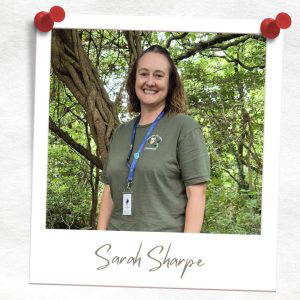
Coram PACEY Cymru spoke to childminders Jacqui Gill and Sarah Sharpe about how they identify, plan, record and review safeguarding training in their own settings.
How did you identify your safeguarding training needs?
Jacqui shared that she always starts by looking at the National Minimum Standards (NMS), because they tell her exactly what the requirements around safeguarding training for herself and her assistants are. She said "Once I have established what is needed, I go to Social Care Wales' National Safeguarding Training, Learning and Development Standards, to find the detail of how much training is needed and how frequently it needs to be done."
Sarah added "your local authority is a great source of support and information if you have any queries around safeguarding training, as well as offering training that meets requirements and potential funding to support costs."
How do you document your safeguarding training plan?
Keeping a log of training and CPD is an important part of meeting safeguarding requirements as a childminder, and it is important to find a recording system that works for you. Sarah shared "I use my childminding diary to record everything, including any training or CPD I have completed. Keeping everything in one place means I can find information easily when I need it."
Jacqui added "I keep a separate safeguarding log where I log not just formal training, but details of policy reviews following updates to guidance and reflections on what I have learnt and achieved from safeguarding activity that I, or my staff, have carried out. I include dates, details on the training provider, number of hours and a reflection on what it means for my practice."
What types of training and CPD activity do you undertake in relation to safeguarding?
Both Jacqui and Sarah access training through different providers including Coram PACEY and other Cwlwm organisations, local authorities (including Flying Start), local colleges and Social Care Wales. Sarah said "It is important to keep up to date with changes to the sector by attending local and national forums including those run by Coram PACEY Cymru and any run by your local authority."
To ensure she meets the training requirements for herself and her staff, Jacqui said "I make use of a range of credible, CPD accredited providers as part of mine and my teams training".
Jacqui also makes use of the Social Care Wales learning modules including the All Wales Induction Framework for Early Years and Childcare. Jacqui said "These have a good range of learning modules, including on safeguarding."
Do you review your training plan following changes to the sector, guidance or processes?
As Sarah pointed out the sector is 'ever evolving' and changes to guidance, regulations and frameworks means that you have to keep on top of what these changes mean for you and your setting. Sarah said "When changes happen, I review my policies and practice and look at the potential impact those changes might have. It is important that this is an ongoing process and not something you review once a year, as this can lead to important information being missed."
Jacqui fully agrees with Sarah, "I always review and update my training plan to ensure I am compliant and meeting requirements"
What impact has your safeguarding training had on your practice and the children in your setting?
Jacqui said "Training doesn't just sit in a folder for me and my setting; it shapes what we actually do day to day. I build time into the day to allow my team to discuss safeguarding case studies and stories that come up on the news or during training, and use them as a chance to reflect on their own practice and challenge themselves on how they would respond in these situations. If needed, I seek training, further advice or review procedures and practice within my setting". Jacqui feels these conversations as a team give her the confidence to have honest conversations with her staff "and to make sure our policies genuinely reflect current thinking".
Sarah shared how training provides the families using her service with confidence and reassurance that she is providing high-quality care to their children. She said "I ensure that safeguarding practice is at the top of my list and is regularly reviewed to ensure the safety of the children in my care. I seek high-quality training and resources from trusted training providers, and I put in extra hours to ensure any learning is embedded in my practice. As a lone worker, I ensure I know where to go for support and advice. I and take any opportunity I can to discuss and reflect on my practice with other professionals."
What advice would you give other childminders to ensure the training they do is impactful and relevant to their setting?
Both Sarah and Jacqui said that it is important to be able to discuss practice and developments with other professionals, whether this is within your own staff team, or by attending networking events and forums with other professionals. Having time to share good practice, ask questions and discuss scenarios together is key.
When planning how you will meet the requirement of six additional hours a year Sarah said "This is best done through a variety of different ways such as formal training, webinars, Coram PACEY forums and bite sized training courses, case study and scenario discussions with other professionals, policy reviews and reflecting on practice following changes to legislation and guidance." Jacqui added, "it doesn't have to mean six hours of sitting in a classroom. It can be built up from a real mix of things: a formal course here and there, reading and reflecting on a published safeguarding review, discussing a case study as a team or with fellow childminders, reviewing your own policy after a change in guidance, or simply logging your reflections after something has prompted you to think differently about your practice. As long as it's genuine, relevant, and recorded in your CPD log, it all counts".
It is important to remember that safeguarding training isn't just completing the course every three years, it a part of your everyday practice; carrying out risk assessments, meal planning, seeking permission to apply sunscreen, practicing evacuation procedures, and so much more. A variety of training and resources will give you the best possible knowledge and understanding to ensure the safety of the children in your setting.
Ym mis Tachwedd 2022, cyhoeddwyd y Safonau hyfforddiant, dysgu a datblygu diogelu cenedlaethol. Eu nod yw sicrhau bod pawb yng Nghymru yn derbyn dysgu a datblygu diogelu cyson ac o ansawdd da. Rydym wed derbyn ymholiadau gan aelodau ynghylch y safonau hyn a sut y gall lleoliadau gwarchod plant eu bodloni, felly rydym wedi cynhyrchu'r blog hwn i'ch cynorthwyo.
Mae'r blog hwn yn esbonio pa grwpiau hyfforddiant diogelu sy'n berthnasol i warchodwyr plant a chynorthwywyr, sut mae hyfforddiant diweddaru'n gweithio, a ffyrdd ymarferol o gynllunio, cofnodi a myfyrio ar ddysgu diogelu.
Mae'r cwrs hyfforddi diogelu y byddwch yn ei gwblhau yn dibynnu ar eich rôl, ond ar gyfer gwarchodwyr plant mae hyn yn golygu cwblhau hyfforddiant grwpiau A, B a C ac yna cwblhau hyfforddiant diweddaru grŵp bob 3 blynedd (o leiaf 8 awr). Mae'r canllawiau hefyd yn nodi y dylid cwblhau 18 awr ychwanegol o hyfforddiant (6 awr y flwyddyn) yn ystod y cyfnod hwn, gan gynnwys hyfforddiant manwl ar bynciau diogelu penodol neu brosesau mewnol. I warchodwyr plant, gall hyn gynnwys gweithgareddau megis mynychu gweithdai a gweminarau, gwylio fideos arfer da, darllen llyfrau, cyfnodolion a chanllawiau ymarfer, mynychu fforymau, cyrsiau hyfforddi ar-lein neu hyfforddiant achrededig.
I warchodwyr plant sy'n gweithio gyda chynorthwywyr, mae'n bwysig eu bod nhw'n sicrhau bod unrhyw gynorthwywyr yn cwblhau'r hyfforddiant perthnasol. Dylai cynorthwywyr newydd heb unrhyw hyfforddiant diogelu blaenorol gwblhau hyfforddiant yn nwy i bedair wythnos cyntaf eu cyflogaeth neu wirfoddoli, neu o leiaf o fewn cyfnod prawf rôl newydd (chwe mis).
Byddai angen i unigolion sy'n gweithio gyda phlant mewn rôl dan oruchwyliaeth, megis cynorthwywyr gwarchod plant, gwblhau hyfforddiant Grŵp A a Grŵp B i ddechrau. Byddai adnewyddu eu hyfforddiant ar Grŵp B yn unig, o leiaf bob tair blynedd. Dylai hyfforddiant diweddaru, dysgu a datblygu parhaus fod yn isafswm o chwe awr dros y cyfnod o dair blynedd a dylid ei wneud os oes newid i ddeddfwriaeth neu ofynion diogelu neu i bynciau sy'n benodol i'r rôl.
Felly sut allwch chi sicrhau eich bod chi'n bodloni'r gofynion hyn?
Siaradodd Coram PACEY Cymru â'r gwarchodwyr plant Jacqui Gill a Sarah Sharp am sut maen nhw'n nodi, cynllunio, cofnodi ac yn adolygu hyfforddiant diogelu yn eu lleoliadau eu hunain.
Sut wnaethoch chi nodi eich anghenion hyfforddiant diogelu?
Rhannodd Jacqui ei bod hi bob amser yn dechrau drwy edrych ar y Safonau gofynnol Cenedlaethol, oherwydd eu bod nhw'n dweud wrthi'n union beth yw'r gofynion ynghylch hyfforddiant diogelu iddi hi ac i'w chynorthwywyr. Dywedodd "Unwaith y byddaf wedi sefydlu'r hyn sydd ei angen, byddaf yn mynd at Safonau hyfforddiant, dysgu a datblygu diogelu cenedlaethol Gofal Cymdeithasol Cymru, i weld manylion faint o hyfforddiant sydd ei angen a pha mor aml y mae angen ei wneud."
Ychwanegodd Sarah "mae eich awdurdod lleol yn ffynhonnell cymorth a gwybodaeth wych os oes gennych unrhyw gwestiynau am hyfforddiant diogelu, ac mae hefyd yn cynnig hyfforddiant sy'n bodloni'r gofynion a chyllid posib i helpu gyda'r costau."
Sut ydych chi'n dogfennu eich cynllun hyfforddiant diogelu?
Mae cadw cofnod o hyfforddiant a DPP yn rhan bwysig o fodloni gofynion diogelu fel gwarchodwr plant, ac mae'n bwysig dod o hyd i system gofnodi sy'n gweithio ar eich cyfer chi. Rhannodd Sarah "Rwy'n defnyddio fy nyddiadur gwarchod plant i gofnodi popeth, gan gynnwys unrhyw hyfforddiant neu DPP rydw i wedi'i gwblhau. Mae cadw popeth mewn un lle yn golygu y gallaf ddod o hyd i wybodaeth yn hawdd pan fydd ei hangen arnaf."
Ychwanegodd Jacqui "Rwy'n cadw log diogelu ar wahân lle byddaf yn cofnodi nid yn unig hyfforddiant ffurfiol, ond manylion adolygiadau polisi ar ôl diweddariadau canllawiau a myfyrdodau ar yr hyn rydw i wedi'i ddysgu a'i gyflawni o weithgarwch diogelu gennyf i neu gan fy staff. Rwy'n cynnwys dyddiadau, manylion am y darparwr hyfforddiant, nifer yr oriau a myfyrdod ar yr hyn y mae'n ei olygu ar gyfer fy ymarfer."
Pa fathau o hyfforddiant a gweithgarwch DPP ydych chi'n eu gwneud mewn perthynas â diogelu?
Mae Jacqui a Sarah yn cael mynediad at hyfforddiant drwy wahanol ddarparwyr gan gynnwys Coram PACEY a sefydliadau Cwlwm eraill, awdurdod lleol (gan gynnwys Dechrau'n Deg), colegau lleol a Gofal Cymdeithasol Cymru. Dywedodd Sarah "Mae'n bwysig cadw'n gyfredol â newidiadau i'r sector drwy fynychu fforymau lleol a chenedlaethol gan gynnwys rhai y mae Coram PACEY Cymru a'ch awdurdod lleol yn eu cynnal."
Er mwyn sicrhau ei bod yn bodloni'r gofynion hyfforddi iddi hi a'i staff, dywedodd Jacqui "Rwy'n defnyddio ystod o ddarparwyr DPP achrededig, credadwy fel rhan o fy hyfforddiant i a hyfforddiant fy nhîm".
Mae Jacqui hefyd yn defnyddio modiwlau dysgu Gofal Cymdeithasol Cymru gan gynnwys Fframwaith sefydlu blynyddoedd cynnar a gwarchod plant Cymru gyfan. Dywedodd Jacqui "Mae ganddynt ystod dda o fodiwlau dysgu, gan gynnwys ar ddiogelu."
Ydych chi'n adolygu'ch cynllun hyfforddi ar ôl newidiadau i'r sector, canllawiau neu brosesau?
Nododd Sarah fod y sector yn esblygu'n gyson a bod newidiadau i ganllawiau, rheoliadau a fframweithiau yn golygu bod yn rhaid i chi gadw golwg ar yr hyn y mae'r newidiadau hyn yn ei olygu i chi ac i'ch lleoliad. Dywedodd Sarah "Pan fydd newidiadau'n digwydd, byddaf yn adolygu fy mholisïau ac ymarfer ac yn edrych ar effaith bosib y newidiadau hynny. Mae'n bwysig mai proses barhaus yw hon, ac nid rhywbeth y byddwch yn ei adolygu unwaith y flwyddyn, gan gall hyn arwain at golli gwybodaeth bwysig."
Mae Jacqui'n cytuno'n llawn â Sarah, Rydw i bob amser yn adolygu ac yn diweddaru fy nghynllun hyfforddi i sicrhau fy mod i'n cydymffurfio ac yn bodloni'r gofynion"
Pa effaith y mae'ch hyfforddiant diogelu wedi'i chael ar eich ymarfer a'r plant yn eich lleoliad?
Dywedodd Jacqui "Nid yw hyfforddiant yn eistedd mewn ffolder yn unig i mi ac i'm lleoliad; mae'n llywio'r hyn rydyn ni'n ei wneud mewn gwirionedd o ddydd i ddydd. Rwy'n neilltuo amser yn ystod y dydd i roi cyfle i fy nhîm drafod astudiaethau achos a straeon am ddiogelu sy'n codi yn y newyddion neu yn ystod hyfforddiant, a'u defnyddio fel cyfle i fyfyrio ar eu harferion eu hunain a herio eu hunain ynghylch sut y byddent yn ymateb yn y sefyllfaoedd hyn. Os oes angen, rwy'n ceisio hyfforddiant neu gyngor pellach, neu'n adolygu gweithdrefnau ac arferion yn fy lleoliad". Mae Jacqui'n teimlo bod y sgyrsiau hyn fel tîm yn rhoi'r hyder iddi i gael sgyrsiau onest gyda'i staff "a gwneud yn siŵr bod ein polisïau'n adlewyrchu meddwl cyfredol yn wirioneddol".
Rhannodd Sarah sut mae'r hyfforddiant yn rhoi hyder a sicrwydd meddwl i'r teuluoedd sy'n defnyddio ei gwasanaeth ei bod yn darparu gofal o ansawdd uchel i'w plant. Dywedodd "Rwy'n sicrhau bod arferion diogelu ar ben fy rhestr flaenoriaethau ac yn cael eu hadolygu'n rheolaidd i sicrhau diogelwch y plant sydd yn fy ngofal. Rwy'n ceisio hyfforddiant ac adnoddau o ansawdd uchel gan ddarparwyr hyfforddiant dibynadwy, ac yn gweithio oriau ychwanegol i sicrhau bod unrhyw ddysgu wedi'i wreiddio yn fy ymarfer. Fel gweithiwr unigol, rwy'n sicrhau fy mod i'n gwybod ble i fynd i gael cymorth a chyngor. Ac rwy'n manteisio ar bob cyfle i drafod a myfyrio ar fy ymarfer gyda gweithwyr proffesiynol eraill."
Pa gyngor fyddech chi'n ei roi i warchodwyr plant eraill i sicrhau bod eu hyfforddiant yn cael effaith ac yn berthnasol i'w lleoliad?
Dywedodd Sarah a Jacqui ei bod hi'n bwysig gallu trafod ymarfer a datblygiadau â gweithwyr proffesiynol eraill, boed hyn o fewn eich tîm staff eich hun, neu drwy fynychu digwyddiadau rhwydweithio a fforymau gyda gweithwyr proffesiynol eraill. Mae cael amser i rannu arfer da, gofyn cwestiynau a thrafod senarios gyda'ch gilydd yn allweddol.
Wrth gynllunio sut y byddwch yn bodloni'r gofyniad o chwe awr ychwanegol y flwyddyn, dywedodd Sarah, "Mae'n well gwneud hyn drwy amrywiaeth o ffyrdd gwahanol, megis hyfforddiant ffurfiol, gweminarau, fforymau a chyrsiau hyfforddi byr Coram PACEY, trafodaethau astudiaethau achos a senarios â gweithwyr proffesiynol eraill, adolygiadau polisi a myfyrio ar ymarfer ar ôl newidiadau i ddeddfwriaeth a chanllawiau." Ychwanegodd Jacqui, "nid oes rhaid iddo olygu chwe awr o eistedd mewn ystafell ddosbarth. Gellir ei lunio o gymysgedd go iawn o bethau: cwrs ffurfiol yma ac acw, darllen a myfyrio ar adolygiad cyhoeddedig ar ddiogelu, trafod astudiaeth achos fel tîm neu gyda chyd-warchodwyr plant, adolygu eich polisi eich hun yn dilyn newid i'r canllawiau, neu'n syml, cofnodi eich myfyrdodau ar ôl i rywbeth eich ysgogi i feddwl yn wahanol am eich arfer. Cyhyd a'i fod yn ddilys, yn berthnasol, ac wedi'i gofnodi yn eich cofnod DPP, mae popeth yn cyfrif".
Mae'n bwysig cofio nad yw hyfforddiant diogelu yn ymwneud â chwblhau'r cwrs bob tair blynedd yn unig; mae'n rhan o'ch arferion dyddiol – cynnal asesiadau risg, cynllunio prydau bwyd, ceisio caniatâd i roi eli haul, ymarfer gweithdrefnau gwacáu, a llawer mwy. Bydd amrywiaeth o adnoddau hyfforddiant ac adnoddau yn rhoi'r wybodaeth a'r ddealltwriaeth gorau posib i chi i sicrhau diogelwch plant yn eich lleoliad.